
Dry Needling vs Acupuncture: Which Is Right for Muscle Pain?

Dry needling and acupuncture are often confused because both involve the use of thin needles. While they may appear similar on the surface, they are rooted in very different philosophies and serve different purposes. Understanding how they differ can help you make an informed decision about which treatment is right for your pain and movement goals.
What Is Dry Needling?
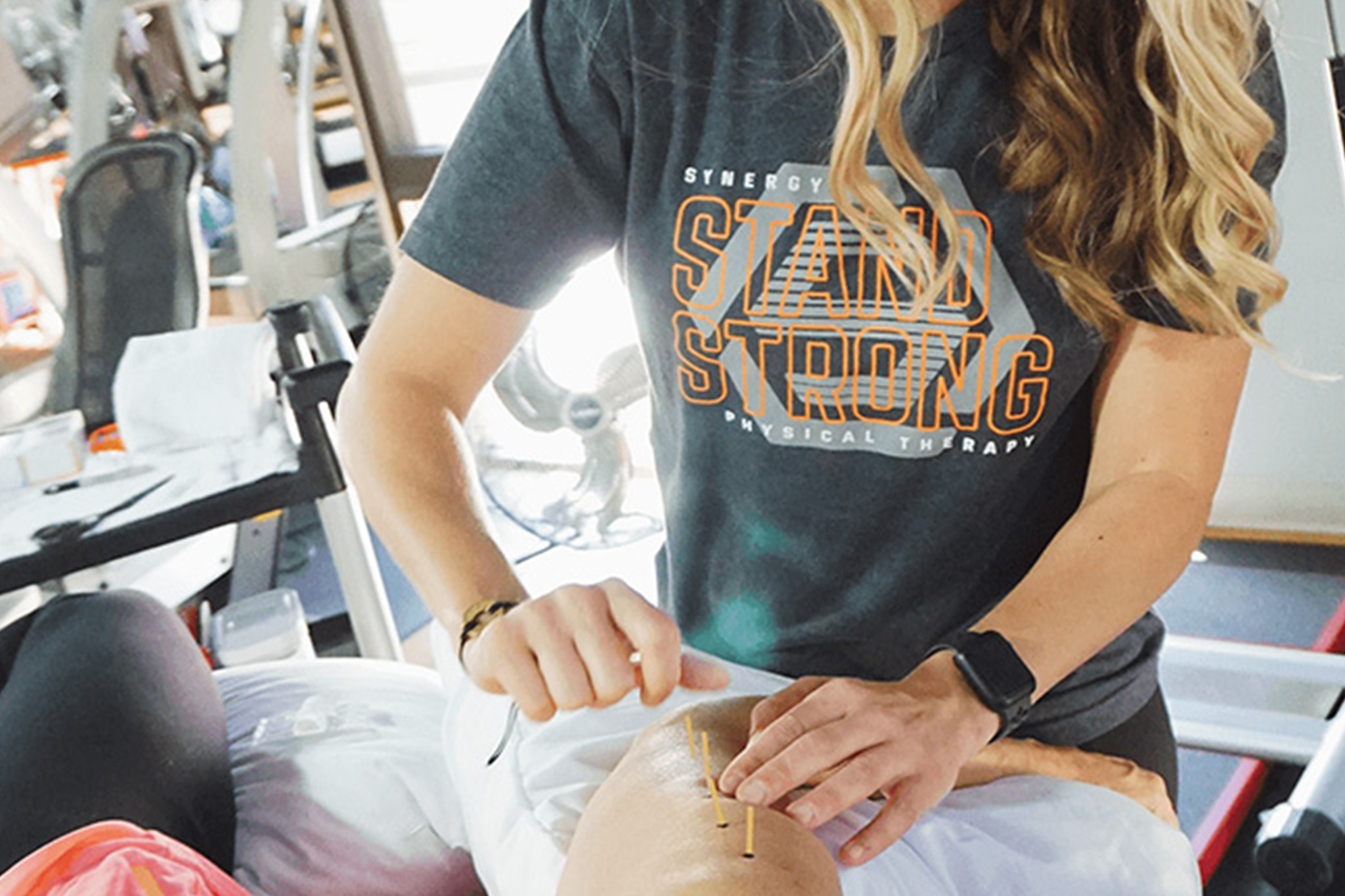
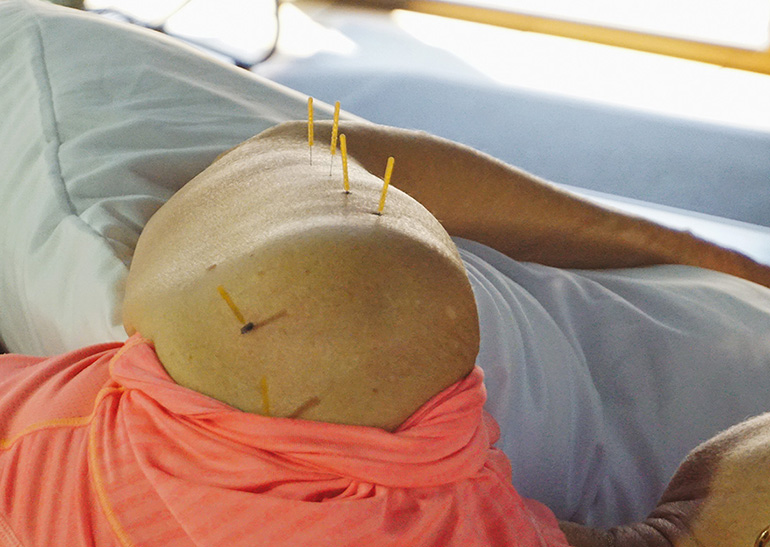
Dry needling is a modern, evidence-based treatment performed by licensed physical therapists to address muscle tightness, trigger points, and neuromuscular dysfunction. It is based on Western medicine principles and focuses on anatomy, biomechanics, and the nervous system.
During treatment, a thin sterile needle is inserted into a tight or irritated muscle band, commonly known as a trigger point. This helps reduce muscle tension, improve blood flow, decrease pain sensitivity, and restore normal movement patterns.
What Is Acupuncture?
Acupuncture is a traditional Chinese medicine practice that has been used for thousands of years. It is based on the concept of balancing energy flow, or “Qi,” through specific meridian pathways in the body.
Acupuncture treatment points are selected based on restoring energy balance rather than targeting specific muscle trigger points or biomechanical dysfunction. It is often used to support overall wellness, stress reduction, and systemic conditions in addition to pain relief.
Key Differences Between Dry Needling and Acupuncture
Although both techniques use similar tools, the intent and clinical application are very different.
- Dry needling is based on Western anatomy and musculoskeletal science
- Acupuncture is rooted in traditional Chinese medicine philosophy
- Dry needling targets trigger points and movement dysfunction
- Acupuncture focuses on restoring energy flow through meridians
- Dry needling is performed by licensed physical therapists as part of a rehab plan
In a physical therapy setting, dry needling is used strategically to reduce pain and muscle restriction so patients can move better and participate more effectively in strengthening and corrective exercise.
What Does Dry Needling Feel Like?
Many patients describe a brief twitch or cramping sensation when the needle stimulates a trigger point. This response is normal and often indicates that the targeted muscle has been activated.
After treatment, patients frequently report reduced tightness, improved mobility, and decreased pain. Some mild soreness may occur for 24 to 48 hours, similar to post-workout muscle soreness.
Conditions That May Benefit from Dry Needling
Dry needling can be helpful for a wide range of musculoskeletal conditions, including:
- Neck and back pain
- Shoulder injuries
- Hip tightness
- Tendonitis
- Sports-related muscle strains
- Chronic muscle tension
It is not a standalone solution but rather part of a comprehensive rehabilitation program designed to correct underlying movement dysfunction.
Why Physical Therapists Use Dry Needling
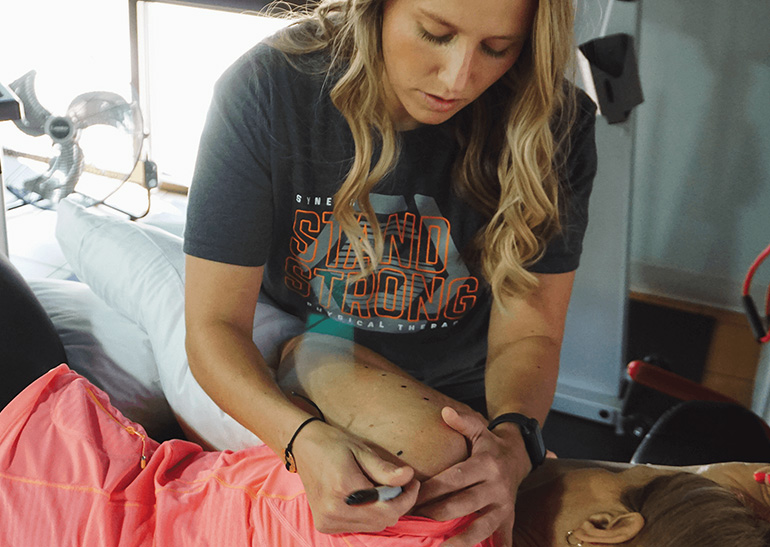
At Synergy Physical Therapy in Scottsdale, dry needling is integrated into a larger treatment strategy. By reducing muscle guarding and pain sensitivity, it allows patients to move more freely and perform therapeutic exercises with better quality and control.
The goal is not just temporary pain relief. The goal is to restore proper movement patterns, strengthen supporting structures, and prevent recurrence.
Which Treatment Is Right for You?
If you are seeking treatment for muscle pain, tightness, or movement restriction, dry needling performed by a physical therapist may be the most targeted and effective approach. If you are seeking whole-body energy balance or traditional Eastern medicine care, acupuncture may align better with your goals.
The best way to determine what is appropriate is through a professional evaluation that considers your symptoms, movement patterns, and overall health history.
Dry needling and acupuncture may look similar, but they serve very different purposes. When performed as part of a comprehensive physical therapy plan, dry needling can reduce pain, improve mobility, and help you move with greater confidence.
Call us today at (480) 767-0794 to schedule your appointment or book an appointment online.
Experience the difference evidence-based dry needling can make in your recovery.