
Why Hands-On Physical Therapy Makes a Difference

Hands-on care is a cornerstone of effective physical therapy and plays a critical role in helping patients reduce pain, restore mobility, and regain confidence in movement. While exercise is essential for long-term recovery, manual therapy techniques often provide the foundation that makes movement possible in the first place.
What Hands-On Physical Therapy Involves
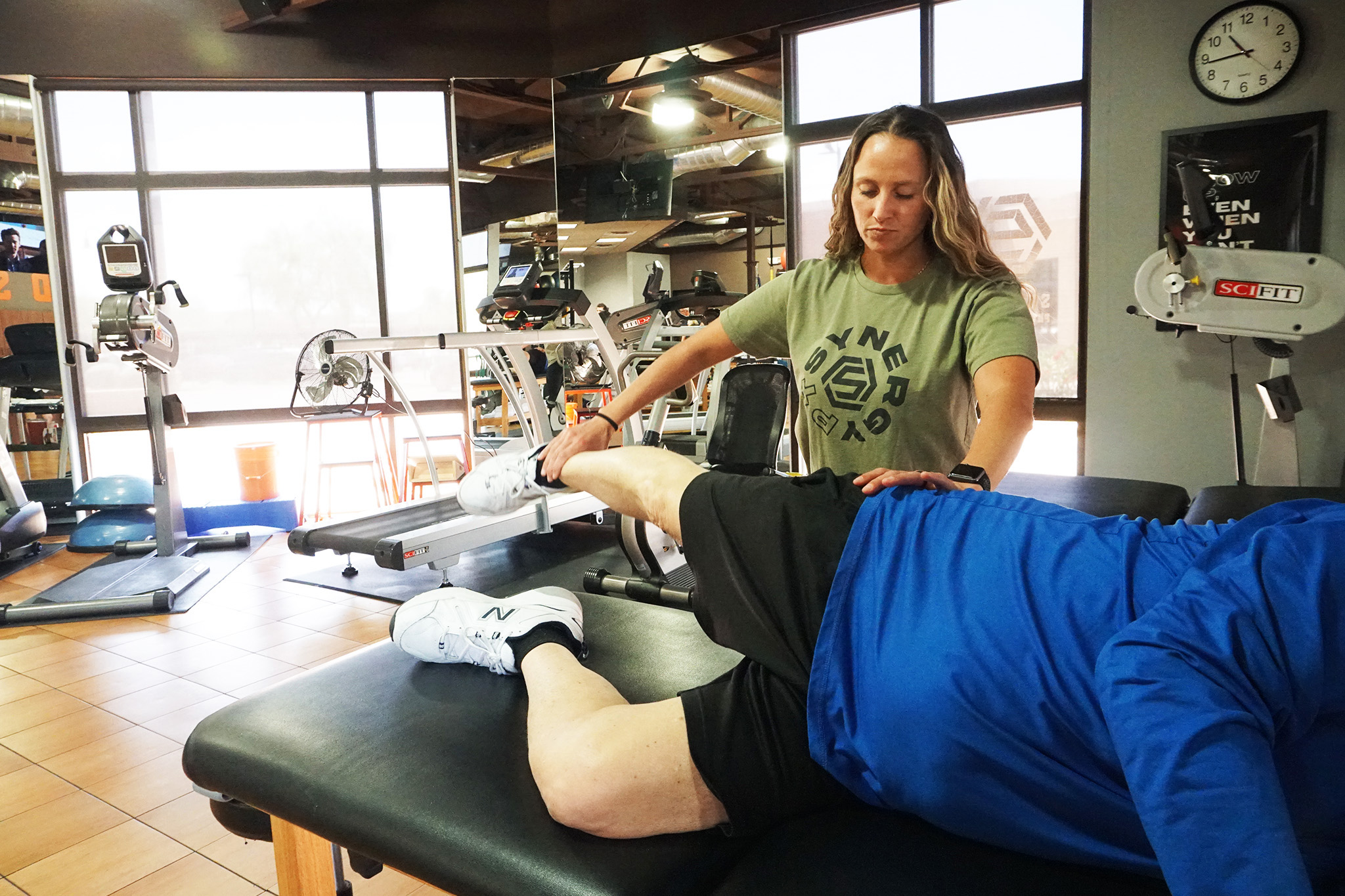
Hands-on physical therapy refers to manual techniques performed by a licensed physical therapist to assess and treat movement restrictions, joint stiffness, muscle tightness, and soft tissue limitations. These techniques may include joint mobilization, soft tissue manipulation, assisted stretching, and guided movement designed to restore proper mechanics.
Unlike passive treatments that rely solely on machines or modalities, hands-on therapy allows therapists to directly feel how the body is moving and respond in real time. This individualized approach helps identify subtle restrictions or compensations that may not be obvious through exercise alone.
How Manual Therapy Helps Reduce Pain
Pain often leads to protective movement patterns. Muscles tighten, joints stiffen, and the nervous system becomes more sensitive to motion. Manual therapy helps address these issues by improving tissue mobility, increasing circulation, and calming irritated structures.
By restoring normal movement between joints and soft tissues, pressure is reduced on sensitive areas such as nerves and inflamed structures. Many patients experience immediate improvements in comfort and range of motion, making daily activities like walking, bending, or reaching feel more manageable.
Improving Mobility and Movement Quality
Limited mobility does not just affect one joint or muscle. Restrictions in one area often cause compensations elsewhere, leading to inefficient movement and increased strain. Hands-on therapy helps restore mobility where it is lacking, allowing the body to move more naturally and efficiently.
When joints move as they should and muscles glide properly, movement becomes smoother and less effortful. This improved movement quality reduces the likelihood of recurring pain and helps prevent future injuries.
Preparing the Body for Exercise
One of the most important roles of hands-on physical therapy is preparing the body for active rehabilitation. If a joint is stiff or a muscle is overly tight, strengthening exercises can be difficult or even counterproductive. Manual therapy helps address these limitations first, allowing exercises to be performed safely and effectively.
This preparation improves exercise performance, reinforces proper movement patterns, and helps patients feel more confident as they progress through their rehabilitation program.
Combining Hands-On Care With Active Rehabilitation
While hands-on techniques can provide meaningful relief, they are most effective when combined with targeted therapeutic exercise. Physical therapists use manual therapy to reduce immediate barriers to movement, then reinforce those improvements through strength, stability, and mobility training.
This integrated approach ensures that gains made during treatment sessions carry over into daily life. Patients do not just feel better temporarily; they build lasting strength and resilience that supports long-term recovery.
A Personalized Approach to Recovery
No two bodies move the same way, and no two injuries are identical. Hands-on physical therapy allows for a highly personalized approach to care. Therapists continuously assess how the body responds to treatment and adjust techniques based on individual needs, goals, and progress.
This level of customization helps address the root cause of pain rather than simply managing symptoms, leading to more meaningful and sustainable outcomes.
Hands-on physical therapy is not just about short-term relief. When paired with active rehabilitation, it restores mobility, reduces pain, improves movement quality, and builds the foundation for long-term function. This balanced approach helps patients move with confidence and return to the activities that matter most to them.
Call us today at (480) 767-0794 to schedule your appointment or book an appointment online.
Experience the difference hands-on physical therapy can make in your recovery.