
Physical Therapy for Shoulder Pain and Rotator Cuff Injuries

Shoulder pain is one of the most common reasons people seek physical therapy, and rotator cuff injuries are among the leading causes. Whether the pain developed gradually from repetitive overhead activity or came on suddenly after a fall or awkward movement, the shoulder is a complex joint that responds exceptionally well to manual physical therapy when treated correctly.
Why Shoulder Pain Is So Common
The shoulder is the most mobile joint in the body, which also makes it one of the most vulnerable to injury and overuse. The rotator cuff is a group of four muscles and their tendons that surround the shoulder joint, providing stability and enabling a wide range of movement. Because these structures are involved in nearly every overhead, reaching, and lifting motion, they are subject to significant repetitive stress over time.
In Scottsdale, where an active outdoor lifestyle is the norm, shoulder pain is particularly prevalent. Tennis, golf, pickleball, swimming, and gym-based overhead pressing are all common contributors to rotator cuff strain, tendonitis, and tears. Shoulder pain can also develop from something as simple as poor posture at a desk, sleeping position, or the cumulative effects of years of activity.
How Physical Therapy Addresses Shoulder Pain
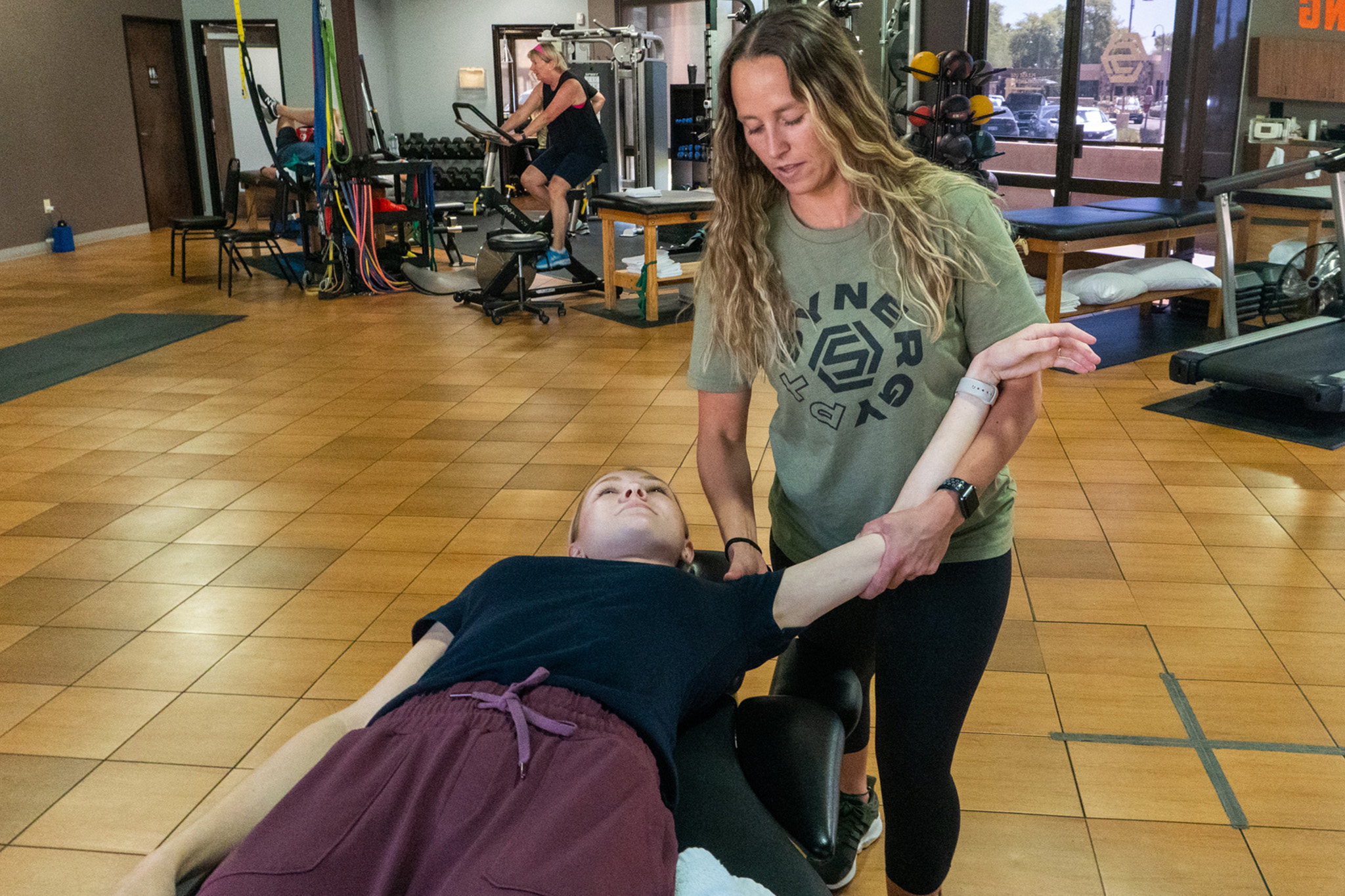
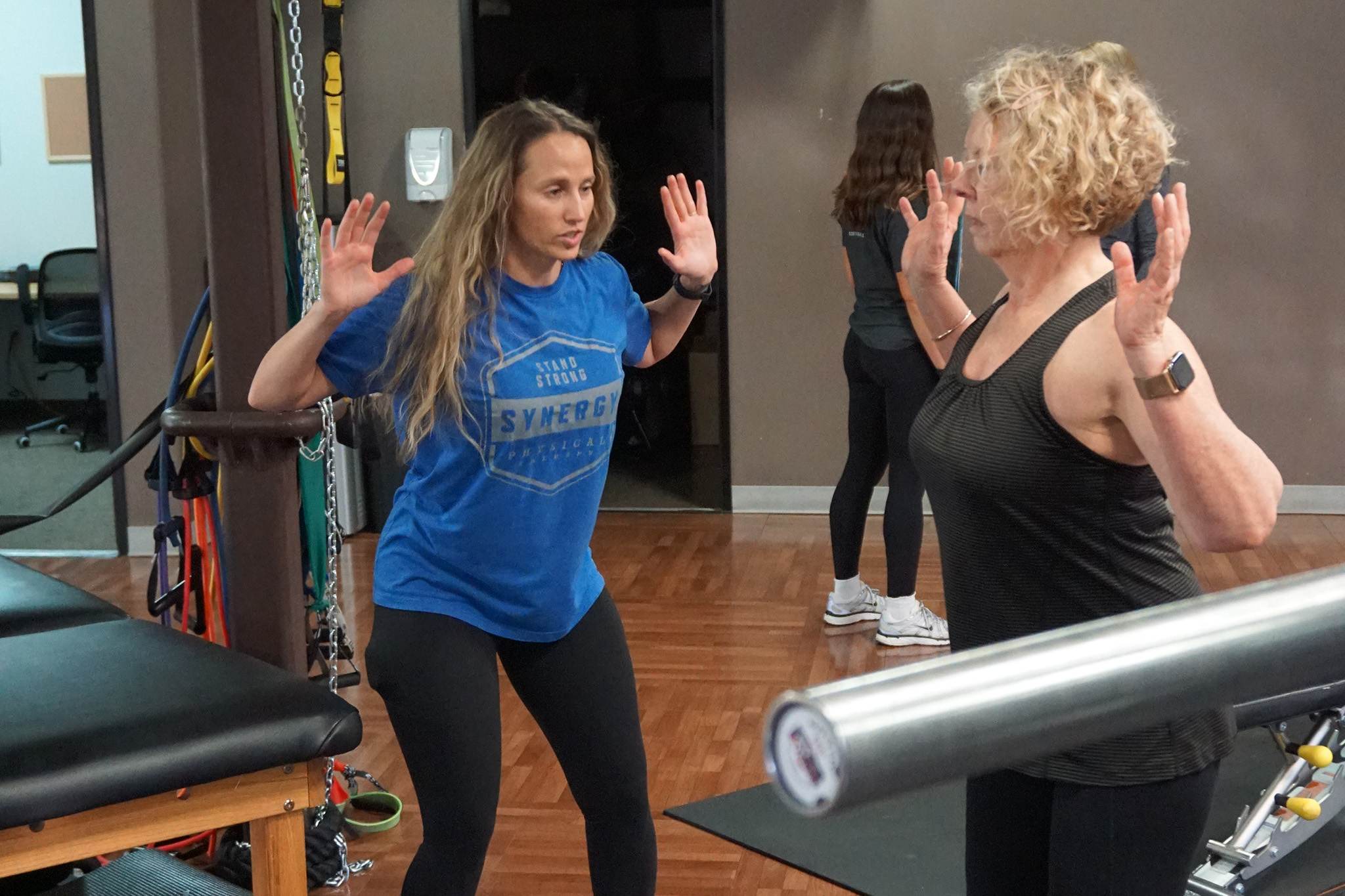
Physical therapy for shoulder pain goes well beyond generic stretching or strengthening exercises. A licensed physical therapist begins with a thorough evaluation to identify the specific structures involved, the movement patterns contributing to the problem, and any compensations that may have developed over time as a result of pain or weakness.
ed that may include hands-on manual therapy to restore joint mobility and reduce tissue restriction, targeted strengthening of From there, a personalized treatment plan is developthe rotator cuff and surrounding musculature, and education on movement mechanics to prevent recurrence. The goal is not just to relieve pain, but to restore full function and address the underlying cause so the shoulder stays healthy long term.
Common Shoulder Conditions We Treat
Shoulder pain can stem from a variety of causes. At Synergy Physical Therapy in Scottsdale, we work with patients experiencing:
- Rotator cuff strains, tendonitis, and partial or full tears
- Shoulder impingement syndrome
- Chronic shoulder pain and stiffness
- Frozen shoulder (adhesive capsulitis)
- Biceps tendonitis and tendon injuries
- Labral injuries and joint instability
- Post-surgical shoulder rehabilitation
Regardless of the specific diagnosis, a comprehensive evaluation is essential to ensure your treatment plan targets the right structures and movement patterns for your individual situation.
What to Expect During Physical Therapy for Shoulder Pain
Your first visit will begin with a detailed assessment of your shoulder mobility, strength, posture, and movement patterns. This allows your physical therapist to identify not just where the pain is coming from, but what is driving it. Treatment sessions typically include a combination of the following:
- Manual therapy to restore joint mobility, reduce muscle guarding, and improve tissue mobility
- Targeted rotator cuff and scapular strengthening to restore stability and function
- Mobility and flexibility work to improve range of motion and reduce stiffness
- Education on posture, activity modification, and movement mechanics
- Modalities such as dry needling or cupping when appropriate to reduce pain and improve tissue mobility
Progress is monitored throughout your care, and your program is adjusted as your strength and mobility improve. Most patients begin to notice meaningful improvement within the first few weeks of consistent treatment.
Do You Need Imaging Before Starting Physical Therapy?
In most cases, no. While imaging can be helpful in certain situations, research consistently shows that findings such as rotator cuff degeneration, small tears, and other structural changes are common in people with no shoulder pain at all. A physical therapist is trained to evaluate your shoulder's movement and function directly, and in the majority of cases treatment can begin without waiting for an MRI or X-ray.
If your physical therapist identifies findings during your evaluation that suggest a more significant injury or warrant further investigation, they will communicate that clearly and coordinate with your physician as needed.
Why Choose Synergy Physical Therapy for Shoulder Pain in Scottsdale
At Synergy Physical Therapy, we take a hands-on, individualized approach to shoulder pain treatment. Rather than relying on generic exercise programs, we focus on identifying the specific movement dysfunctions and tissue restrictions driving your pain, and building the strength and stability to keep it from coming back.
Our team of licensed physical therapists works closely with each patient to develop a plan that fits their specific injury, activity level, and goals. Whether you are recovering from a rotator cuff tear, working through chronic shoulder stiffness, or trying to get back to your sport, we are here to help you move better and feel better.
Shoulder pain does not have to keep you on the sidelines. With the right evaluation and a targeted physical therapy program, most patients can achieve meaningful, lasting relief without medication or surgery.
Call us today at (480) 767-0794 to schedule your appointment or book an appointment online.
Experience the difference individualized physical therapy can make for your shoulder pain.